
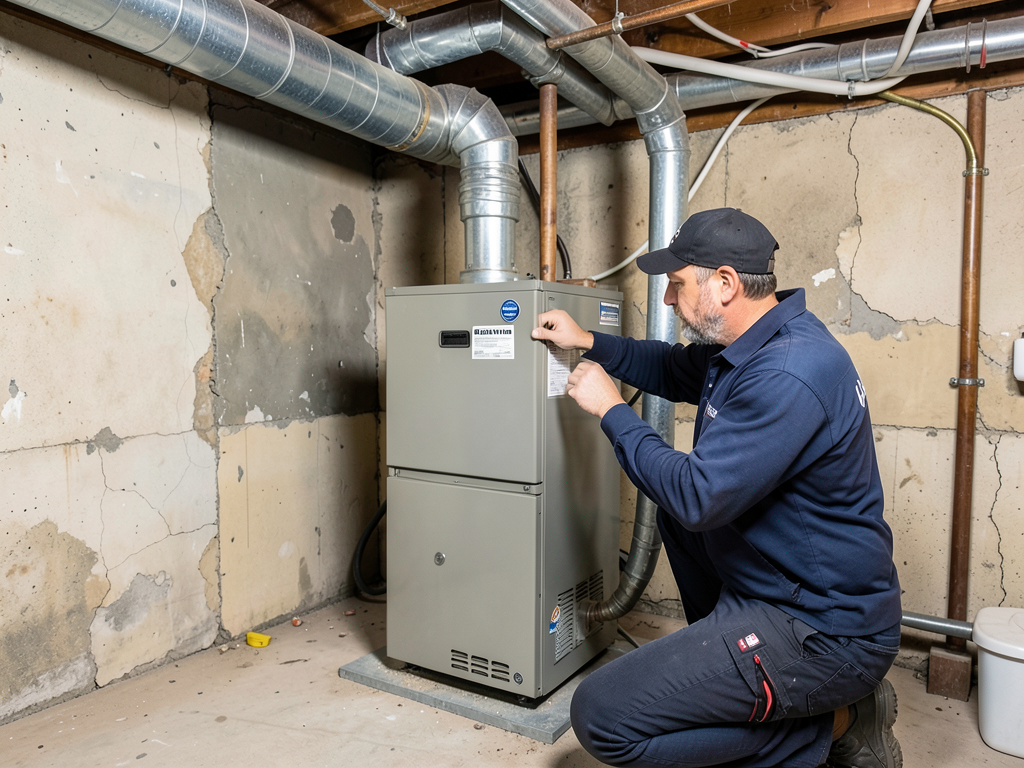
Why Your Furnace Choice Matters in Cleveland
Cleveland winters deliver brutal temperature swings that can drop below zero for weeks. Your furnace runs constantly during January polar vortexes and then idles through mild February thaws. A single-stage furnace blasts at full power or stays off. A two-stage model runs mostly at low capacity and only kicks to high when extreme cold hits. That difference affects your comfort, utility bills, and how long your system lasts in neighborhoods like Glenville where many homes are over 60 years old. How Much Does a New Central Air System Cost in Northeast Ohio?.
Single-Stage Furnaces: The Basics & Pros/Cons
A single-stage furnace has one gas valve setting. When the thermostat calls for heat the burner fires at 100% capacity. The blower runs at one speed until the target temperature reaches. This design keeps upfront costs lower but creates problems in Cleveland’s climate. Replacing an Old Furnace in a Historic Shaker Heights Home.
Single-stage units cycle on and off more frequently. Each start-stop sequence sends a surge of energy through the system. In older Glenville homes with drafty windows this short cycling wastes fuel and creates cold spots between cycles. The constant full-blast operation also generates more noise and can dry out indoor air during long winter runs. Energy Department furnace efficiency guide.
AFUE ratings for basic single-stage models start around 80%. That means 20% of your fuel becomes waste heat instead of warming your home. In a typical Glenville winter with 6,500 heating degree days that waste adds up to hundreds of dollars in higher utility bills.
Two-Stage Furnaces: The Comfort Specialist
Two-stage furnaces use a gas valve that can open partially or fully. Most models run at about 65% capacity during regular winter conditions. The burner and blower adjust automatically based on how much heat your home needs.. Read more about Ventilation Tips for Homes with Both a Furnace and a Wood Burning Stove in Russell.
This low-fire mode runs longer cycles at lower output. The blower moves air more slowly but steadily. That means temperatures stay within one or two degrees of your thermostat setting instead of fluctuating five degrees. The slower air movement also allows better filtration since particles spend more time passing through the air filter.
During extreme cold snaps the furnace automatically switches to high-fire mode. The transition happens seamlessly without manual adjustment. Two-stage units typically achieve 90-96% AFUE efficiency, converting more of your fuel into usable heat.
Direct Comparison Table
| Feature | Single-Stage | Two-Stage |
|---|---|---|
| Upfront Cost | $2,800-$4,200 | $3,800-$5,800 |
| Monthly Energy Use | Higher | 15-25% lower |
| Comfort Consistency | Variable (±5°F) | Tight (±2°F) |
| Noise Level | Louder | Quieter |
| Lifespan in Cleveland | 12-15 years | 15-20 years |
The Cleveland Climate Verdict
Glenville’s location near Lake Erie creates specific challenges. Winter humidity from the lake combines with cold air to produce condensation issues. Two-stage furnaces handle this better because the longer, slower heating cycles allow the system to remove more moisture from the air.. Read more about Restoring Your HVAC System After a Basement Flood in Slavic Village.
During lake effect snow events temperatures can swing 30 degrees in a single day. A single-stage furnace would cycle constantly trying to catch up. A two-stage unit maintains steady temperatures while using less energy.. Read more about Is a Dual Fuel System the Best Way to Beat the Lake Effect Cold in Edgewater?.
The clay soil common in Glenville creates another factor. Many homes have partially finished basements where furnaces install. Two-stage units produce less vibration and operate more quietly, which matters when the equipment sits near living spaces.
ROI & Energy Rebates for Ohio Homeowners
Two-stage furnaces qualify for federal tax credits under the 25C Energy Efficient Home Improvement Credit. Current credits cover 30% of the cost up to $2,000 for qualifying high-efficiency equipment. Dominion Energy Ohio also offers rebates up to $600 for furnaces with 95% AFUE or higher. Dominion Energy Ohio rebates.
Over a five-year period the energy savings from a two-stage unit typically offset the higher purchase price. In Glenville where winters average 30% more heating degree days than Columbus, those savings compound faster.
High-efficiency units also reduce wear on components. The gentler operation means fewer service calls and longer intervals between major repairs. For a Glenville homeowner planning to stay in their home 7+ years, the two-stage investment pays for itself through utility savings and extended equipment life. Fast and Local AC Repair Services in Solon and Surrounding Areas.
Making Your Final Decision
Single-stage furnaces work adequately for budget-conscious homeowners who plan to move within five years. They provide basic heating at the lowest upfront cost.
Two-stage models deliver superior comfort, lower operating costs, and longer service life. The technology handles Cleveland’s climate extremes better and qualifies for significant rebates that reduce the actual purchase price gap.
Consider your Glenville home’s specific needs. Older homes with poor insulation benefit more from two-stage efficiency. Homes with finished basements or bedrooms near the furnace location appreciate the quieter operation.
Ready to Upgrade Your Glenville Home’s Heating?
Call (216) 530-9077 today to schedule your inspection. Our NATE-certified technicians will evaluate your home’s specific needs and show you exactly how much you could save with a two-stage upgrade. Don’t wait until the next polar vortex leaves you in the cold.
Frequently Asked Questions
What’s the main difference between single-stage and two-stage furnaces?
Single-stage furnaces operate at full capacity or not at all. Two-stage furnaces can run at low or high capacity, adjusting automatically to your home’s heating needs for better efficiency and comfort.
Are two-stage furnaces worth the extra cost in Cleveland?
Yes. Cleveland’s extreme temperature swings and high heating degree days mean two-stage furnaces save 15-25% on energy bills while providing more consistent temperatures and qualifying for federal tax credits and local rebates.
How long do two-stage furnaces typically last?
Two-stage furnaces generally last 15-20 years in Cleveland’s climate, compared to 12-15 years for single-stage models. The gentler operation reduces wear on components and extends service life.
{
“@context”: “https://schema.org”,
“@type”: “BlogPosting”,
“headline”: “Choosing Between a Single Stage and Two Stage Furnace for Your Glenville Home”,
“description”: “Glenville homeowners face tough choices when replacing furnaces. Learn how Cleveland’s climate affects single-stage vs two-stage furnace performance and energy costs.”,
“wordCount”: 945,
“datePublished”: “2026-04-22T08:36:00.000Z”,
“dateModified”: “2026-04-22T08:36:00.000Z”,
“inLanguage”: “en-US”,
“mainEntityOfPage”: {
“@type”: “WebPage”,
“@id”: “https://acehvaccleveland.com”
},
“publisher”: {
“@type”: “LocalBusiness”,
“name”: “Ace HVAC Cleveland”,
“url”: “https://acehvaccleveland.com”
},
“author”: {
“@type”: “Organization”,
“name”: “Ace HVAC Cleveland”,
“url”: “https://acehvaccleveland.com”
},
“image”: {
“@type”: “ImageObject”,
“url”: “https://acehvaccleveland.com/wp-content/uploads/2026/03/choosing-between-a-single-stage-and-two-stage-furn-1.png”
}
}
{
“@context”: “https://schema.org”,
“@type”: “HVACBusiness”,
“name”: “Ace HVAC Cleveland”,
“url”: “https://acehvaccleveland.com”,
“address”: {
“@type”: “PostalAddress”,
“addressLocality”: “Cleveland”
},
“areaServed”: {
“@type”: “City”,
“name”: “Cleveland”
}
}
{
“@context”: “https://schema.org”,
“@type”: “FAQPage”,
“mainEntity”: [
{
“@type”: “Question”,
“name”: “Ready to Upgrade Your Glenville Home’s Heating?”,
“acceptedAnswer”: {
“@type”: “Answer”,
“text”: “Call (216) 530-9077 today to schedule your inspection. Our NATE-certified technicians will evaluate your home’s specific needs and show you exactly how much you could save with a two-stage upgrade. Don’t wait until the next polar vortex leaves you in the cold.”
}
},
{
“@type”: “Question”,
“name”: “What’s the main difference between single-stage and two-stage furnaces?”,
“acceptedAnswer”: {
“@type”: “Answer”,
“text”: “Single-stage furnaces operate at full capacity or not at all. Two-stage furnaces can run at low or high capacity, adjusting automatically to your home’s heating needs for better efficiency and comfort.”
}
},
{
“@type”: “Question”,
“name”: “Are two-stage furnaces worth the extra cost in Cleveland?”,
“acceptedAnswer”: {
“@type”: “Answer”,
“text”: “Yes. Cleveland’s extreme temperature swings and high heating degree days mean two-stage furnaces save 15-25% on energy bills while providing more consistent temperatures and qualifying for federal tax credits and local rebates.”
}
},
{
“@type”: “Question”,
“name”: “How long do two-stage furnaces typically last?”,
“acceptedAnswer”: {
“@type”: “Answer”,
“text”: “Two-stage furnaces generally last 15-20 years in Cleveland’s climate, compared to 12-15 years for single-stage models. The gentler operation reduces wear on components and extends service life.”
}
}
]
}
{
“@context”: “https://schema.org”,
“@type”: “BreadcrumbList”,
“itemListElement”: [
{
“@type”: “ListItem”,
“position”: 1,
“name”: “Home”,
“item”: “https://acehvaccleveland.com”
},
{
“@type”: “ListItem”,
“position”: 2,
“name”: “Blog”,
“item”: “https://acehvaccleveland.com/blog”
},
{
“@type”: “ListItem”,
“position”: 3,
“name”: “Choosing Between a Single Stage and Two Stage Furnace for Your Glenville Home”
}
]
}
{
“@context”: “https://schema.org”,
“@type”: “Service”,
“serviceType”: “HVAC”,
“provider”: {
“@type”: “LocalBusiness”,
“name”: “Ace HVAC Cleveland”,
“url”: “https://acehvaccleveland.com”
},
“areaServed”: {
“@type”: “City”,
“name”: “Cleveland”
},
“description”: “Glenville homeowners face tough choices when replacing furnaces. Learn how Cleveland’s climate affects single-stage vs two-stage furnace performance and energy costs.”
}