
Simple HVAC maintenance tips for landlords owning property in Garfield Heights
Managing rental properties in Garfield Heights requires understanding the unique HVAC challenges that come with Northeast Ohio’s climate. From Lake Erie’s moisture to the area’s aging housing stock, your heating and cooling systems face constant stress. This guide provides practical maintenance strategies that protect your investment and keep tenants comfortable year-round. Ohio Revised Code Section 5321.04.
Why Garfield Heights landlords need specialized HVAC knowledge
Garfield Heights experiences some of the most extreme temperature swings in Ohio, with winter lows dropping below zero and summer highs exceeding 90 degrees. The area’s proximity to Lake Erie creates high humidity levels that strain air conditioning systems and promote mold growth in ductwork. Many properties in Garfield Heights were built between 1950 and 1980, featuring original HVAC equipment that’s nearing the end of its service life. How Much Does a New Central Air System Cost in Northeast Ohio?.
Local building codes require rental properties to maintain minimum heating standards of 68 degrees Fahrenheit during the heating season. The Garfield Heights Rental Registration Program mandates annual inspections that include HVAC safety checks. Understanding these requirements helps you avoid costly violations and ensures tenant safety. Fast and Local AC Repair Services in Solon and Surrounding Areas.
Common HVAC issues in Garfield Heights rentals include frozen evaporator coils during summer humidity spikes, cracked heat exchangers in aging furnaces, and clogged condensate drains that cause water damage. These problems often lead to emergency service calls that cost three to four times more than scheduled maintenance. Commercial HVAC Maintenance for Businesses in Downtown Cleveland.
Seasonal maintenance schedule for Garfield Heights rental properties
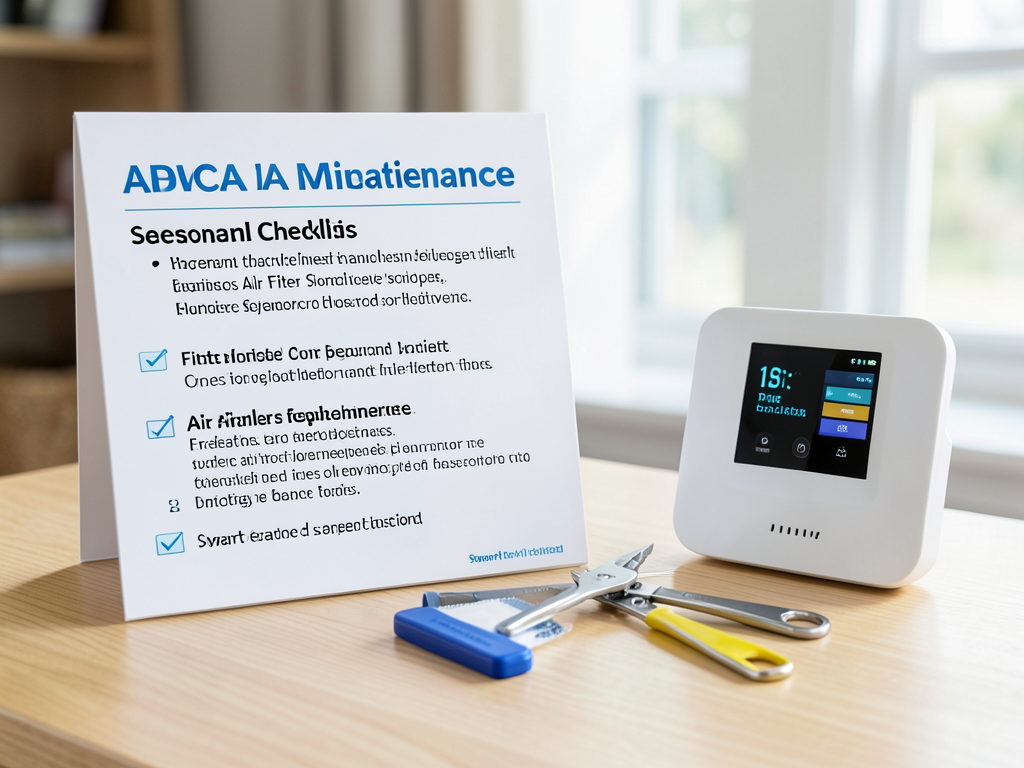
Creating a year-round maintenance calendar prevents most HVAC emergencies. Here’s a practical schedule that works for Garfield Heights’ climate:
- Spring Preparation (April-May)
Clean outdoor condenser units, check refrigerant levels, and test cooling capacity before summer heat arrives. Remove debris from around outdoor units and ensure proper drainage away from the foundation.
- Summer Operation (June-August)
Replace air filters monthly during high-use periods. Check condensate drain lines weekly for clogs. Monitor thermostat settings to prevent tenants from overcooling and straining the system.
- Fall Preparation (September-October)
Clean furnace burners, test ignition systems, and inspect heat exchangers for cracks. Replace air filters and test carbon monoxide detectors. Schedule professional furnace cleaning before winter demand peaks. Replacing an Old Furnace in a Historic Shaker Heights Home.
- Winter Operation (November-March)
Monitor heating performance during extreme cold snaps. Check for proper airflow from vents. Replace filters every 60-90 days during heating season. Watch for signs of furnace short cycling.
Essential HVAC maintenance tasks every Garfield Heights landlord should perform
Regular maintenance extends equipment life and prevents costly breakdowns. Here are the critical tasks that protect your investment:
Monthly maintenance checklist
- Inspect and replace air filters (every 30-60 days for rentals)
- Check thermostat operation and battery levels
- Inspect visible ductwork for leaks or damage
- Ensure outdoor units have proper clearance from vegetation
Quarterly maintenance tasks
- Clean condensate drain lines with vinegar solution
- Inspect electrical connections for corrosion
- Check refrigerant lines for insulation damage
- Test safety controls and limit switches
Annual professional maintenance
Schedule professional HVAC service twice yearly – once before cooling season and once before heating season. Professional technicians perform combustion analysis on gas furnaces, measure superheat and subcooling on air conditioners, and test for carbon monoxide leaks. These tests require specialized equipment and training that goes beyond basic maintenance.
According to the International Residential Code (IRC), Section M1301, all HVAC equipment must be maintained in safe working condition. This includes proper venting of combustion gases and adequate combustion air supply. Professional maintenance ensures compliance with these safety requirements. International Residential Code Section M1301.
Common HVAC problems in Garfield Heights rental properties
Understanding typical failure patterns helps you address issues before they become emergencies. Here are the most common problems we see in Garfield Heights rentals:
Heat exchanger cracks
Aging furnaces in Garfield Heights rentals often develop hairline cracks in their heat exchangers. These cracks allow carbon monoxide to leak into living spaces, creating a serious safety hazard. The sound of a failing heat exchanger is often described as a clicking or popping noise when the furnace cycles on.
Condensate drain clogs
High summer humidity in Garfield Heights causes algae and mold growth in condensate drain lines. When these lines clog, water backs up into the drain pan and overflows onto floors or ceilings. This creates water damage and promotes mold growth in hidden areas.
Refrigerant leaks
Older air conditioning systems using R-22 refrigerant are prone to leaks as they age. Newer systems use R-410A or R-454B, which operate at higher pressures and require different leak detection methods. Refrigerant leaks reduce cooling capacity and can cause the compressor to overheat and fail.
Using an electronic leak detector, technicians can find leaks as small as 1/4 ounce per year. This diagnostic tool is essential for maintaining system efficiency and preventing costly compressor failures.
Cost-benefit analysis of preventative maintenance vs. emergency repairs
Investing in preventative maintenance saves landlords significant money over time. Here’s a comparison of typical costs:
| Maintenance Type | Annual Cost | 5-Year Cost | Typical Issues Prevented |
|---|---|---|---|
| Preventative Maintenance Plan | $300-500 | $1,500-2,500 | Filter replacements, coil cleaning, safety checks |
| Emergency Repair Calls | $800-2,000 | $4,000-10,000 | Heat exchanger replacement, compressor failure |
| Complete System Replacement | $4,000-8,000 | $4,000-8,000 | Entire system failure |
Preventative maintenance reduces emergency repair calls by approximately 70% and extends equipment life by 5-10 years. For a typical rental property, this represents a savings of $2,500-4,000 over a five-year period.
Lease clauses for HVAC responsibilities in Ohio
Ohio landlord-tenant law allows you to specify HVAC responsibilities in your lease agreement. Clear documentation prevents disputes and ensures proper system care. Here are recommended lease clauses:
Tenant responsibilities
- Replace air filters every 30-60 days
- Keep outdoor units clear of debris
- Report unusual noises or performance issues promptly
- Maintain thermostat settings within reasonable ranges
Landlord responsibilities
- Provide functional heating capable of maintaining 68 degrees
- Perform annual professional maintenance
- Repair system failures within 24-48 hours during extreme weather
- Maintain proper ventilation and combustion safety
Ohio Revised Code Section 5321.04 requires landlords to maintain rental properties in compliance with housing, building, and health codes. This includes ensuring HVAC systems operate safely and efficiently.
Energy efficiency improvements for Garfield Heights rentals
Energy-efficient upgrades reduce operating costs and increase property value. Consider these improvements for your Garfield Heights rentals:
Smart thermostats
Installing programmable or smart thermostats gives tenants better control while preventing extreme temperature settings. These devices can reduce heating and cooling costs by 10-15% annually.
Improved insulation
Many Garfield Heights homes lack adequate insulation, forcing HVAC systems to work harder. Adding insulation to attics and walls improves system efficiency and tenant comfort.
High-efficiency equipment
When replacement becomes necessary, consider high-efficiency furnaces (90%+ AFUE) and air conditioners (16+ SEER). While initial costs are higher, utility savings often pay for the upgrade within 5-7 years.
Emergency preparedness for HVAC failures
Even with good maintenance, systems occasionally fail. Being prepared minimizes tenant disruption and protects your investment:
Emergency contact information
Provide tenants with 24/7 emergency contact information for HVAC issues. Include clear criteria for what constitutes an emergency (no heat below 40 degrees, no cooling above 85 degrees).
Backup heating options
For properties with boiler systems, consider portable electric heaters as temporary backup during repairs. Ensure these meet safety standards and are used properly. Reliable Boiler Repair Services for Older Lakewood Homes.
Communication protocols
Establish clear communication procedures for reporting issues. Use online portals or maintenance request systems to track and prioritize repairs efficiently.
Local resources for Garfield Heights landlords
Take advantage of local resources to manage your rental properties effectively:
- Garfield Heights Building Department – (216) 475-1090 for permit and inspection information
- Cuyahoga County Landlord Association – educational resources and networking
- Ohio Landlord Association – state-level advocacy and legal updates
- Local HVAC contractors with experience in rental properties
The Garfield Heights Rental Registration Program requires annual inspections that include HVAC safety checks. Staying current with these requirements prevents fines and ensures tenant safety.
Frequently Asked Questions
How often should I replace air filters in my rental properties?
Replace air filters every 30-60 days in rental properties. Tenants often forget this task, so consider providing filters and scheduling replacements during routine maintenance visits.
What temperature should I set as the minimum heating requirement?
Ohio law requires landlords to provide heating capable of maintaining at least 68 degrees Fahrenheit. This is the minimum standard, but many landlords set thermostats at 70-72 degrees for tenant comfort.
How can I prevent tenants from damaging my HVAC system?
Include clear maintenance responsibilities in your lease, provide tenant education materials, and conduct periodic inspections. Consider installing tamper-resistant thermostats to prevent extreme temperature settings.
When should I replace vs. repair HVAC equipment?
Consider replacement if repair costs exceed 30% of replacement cost, the equipment is over 15 years old, or efficiency has dropped significantly. New equipment often provides better reliability and lower operating costs.
Take action to protect your rental investment
Proper HVAC maintenance in Garfield Heights rentals prevents costly emergencies and ensures tenant satisfaction. Start by scheduling your spring maintenance appointment before the cooling season begins. Regular maintenance catches small problems before they become expensive emergencies.
Don’t wait for system failure to take action. Call (216) 530-9077 today to schedule your rental property HVAC inspection. Our experienced technicians understand the unique challenges of Garfield Heights rental properties and can help you develop a maintenance plan that protects your investment.
Pick up the phone and call (216) 530-9077 before the next temperature extreme hits. Your tenants will appreciate the reliable comfort, and your bottom line will thank you for preventing emergency repairs.

[IMAGE_PLACEHOLDER_3>
{
“@context”: “https://schema.org”,
“@type”: “BlogPosting”,
“headline”: “Simple HVAC maintenance tips for landlords owning property in Garfield Heights”,
“description”: “Learn essential HVAC maintenance tips for Garfield Heights rental properties. Discover how to protect your investment, ensure tenant comfort, and stay compliant with local regulations.”,
“wordCount”: 1607,
“datePublished”: “2026-03-30T07:43:00.000Z”,
“dateModified”: “2026-03-30T07:43:00.000Z”,
“inLanguage”: “en-US”,
“mainEntityOfPage”: {
“@type”: “WebPage”,
“@id”: “https://acehvaccleveland.com”
},
“publisher”: {
“@type”: “LocalBusiness”,
“name”: “Ace HVAC Cleveland”,
“url”: “https://acehvaccleveland.com”
},
“author”: {
“@type”: “Organization”,
“name”: “Ace HVAC Cleveland”,
“url”: “https://acehvaccleveland.com”
},
“image”: {
“@type”: “ImageObject”,
“url”: “https://acehvaccleveland.com/wp-content/uploads/2026/03/simple-hvac-maintenance-tips-for-landlords-owning-1.png”
}
}
{
“@context”: “https://schema.org”,
“@type”: “HVACBusiness”,
“name”: “Ace HVAC Cleveland”,
“url”: “https://acehvaccleveland.com”,
“address”: {
“@type”: “PostalAddress”,
“addressLocality”: “Cleveland”
},
“areaServed”: {
“@type”: “City”,
“name”: “Cleveland”
}
}
{
“@context”: “https://schema.org”,
“@type”: “FAQPage”,
“mainEntity”: [
{
“@type”: “Question”,
“name”: “How often should I replace air filters in my rental properties?”,
“acceptedAnswer”: {
“@type”: “Answer”,
“text”: “Replace air filters every 30-60 days in rental properties. Tenants often forget this task, so consider providing filters and scheduling replacements during routine maintenance visits.”
}
},
{
“@type”: “Question”,
“name”: “What temperature should I set as the minimum heating requirement?”,
“acceptedAnswer”: {
“@type”: “Answer”,
“text”: “Ohio law requires landlords to provide heating capable of maintaining at least 68 degrees Fahrenheit. This is the minimum standard, but many landlords set thermostats at 70-72 degrees for tenant comfort.”
}
},
{
“@type”: “Question”,
“name”: “How can I prevent tenants from damaging my HVAC system?”,
“acceptedAnswer”: {
“@type”: “Answer”,
“text”: “Include clear maintenance responsibilities in your lease, provide tenant education materials, and conduct periodic inspections. Consider installing tamper-resistant thermostats to prevent extreme temperature settings.”
}
},
{
“@type”: “Question”,
“name”: “When should I replace vs. repair HVAC equipment?”,
“acceptedAnswer”: {
“@type”: “Answer”,
“text”: “Consider replacement if repair costs exceed 30% of replacement cost, the equipment is over 15 years old, or efficiency has dropped significantly. New equipment often provides better reliability and lower operating costs.”
}
}
]
}
{
“@context”: “https://schema.org”,
“@type”: “HowTo”,
“name”: “Seasonal HVAC Maintenance Schedule”,
“step”: [
{
“@type”: “HowToStep”,
“position”: 1,
“name”: “Spring Preparation (April-May)”,
“text”: “Clean outdoor condenser units, check refrigerant levels, and test cooling capacity before summer heat arrives. Remove debris from around outdoor units and ensure proper drainage away from the foundation.”
},
{
“@type”: “HowToStep”,
“position”: 2,
“name”: “Summer Operation (June-August)”,
“text”: “Replace air filters monthly during high-use periods. Check condensate drain lines weekly for clogs. Monitor thermostat settings to prevent tenants from overcooling and straining the system.”
},
{
“@type”: “HowToStep”,
“position”: 3,
“name”: “Fall Preparation (September-October)”,
“text”: “Clean furnace burners, test ignition systems, and inspect heat exchangers for cracks. Replace air filters and test carbon monoxide detectors. Schedule professional furnace cleaning before winter demand peaks. Replacing an Old Furnace in a Historic Shaker Heights Home.”
},
{
“@type”: “HowToStep”,
“position”: 4,
“name”: “Winter Operation (November-March)”,
“text”: “Monitor heating performance during extreme cold snaps. Check for proper airflow from vents. Replace filters every 60-90 days during heating season. Watch for signs of furnace short cycling.”
}
],
“image”: “https://acehvaccleveland.com/wp-content/uploads/2026/03/simple-hvac-maintenance-tips-for-landlords-owning-1.png”
}
{
“@context”: “https://schema.org”,
“@type”: “BreadcrumbList”,
“itemListElement”: [
{
“@type”: “ListItem”,
“position”: 1,
“name”: “Home”,
“item”: “https://acehvaccleveland.com”
},
{
“@type”: “ListItem”,
“position”: 2,
“name”: “Blog”,
“item”: “https://acehvaccleveland.com/blog”
},
{
“@type”: “ListItem”,
“position”: 3,
“name”: “Simple HVAC maintenance tips for landlords owning property in Garfield Heights”
}
]
}
{
“@context”: “https://schema.org”,
“@type”: “Service”,
“serviceType”: “HVAC”,
“provider”: {
“@type”: “LocalBusiness”,
“name”: “Ace HVAC Cleveland”,
“url”: “https://acehvaccleveland.com”
},
“areaServed”: {
“@type”: “City”,
“name”: “Cleveland”
},
“description”: “Learn essential HVAC maintenance tips for Garfield Heights rental properties. Discover how to protect your investment, ensure tenant comfort, and stay compliant with local regulations.”
}