
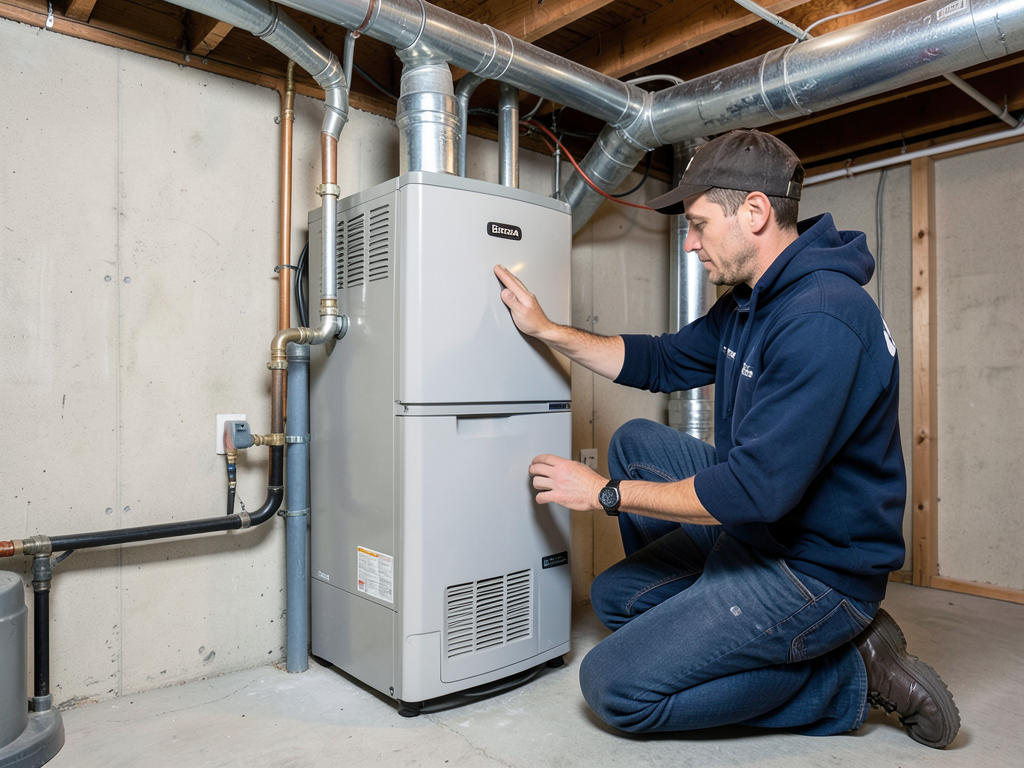
Keeping Your Berea Home Safe from Mold with a Whole House Dehumidifier
Living in Berea means dealing with Cleveland’s notorious humidity levels that create perfect conditions for mold growth in your home. The combination of Lake Erie’s moisture and older housing stock in Berea neighborhoods like East Park or North Park makes whole-house dehumidification not just a comfort upgrade but a critical health investment.. Read more about How to stop indoor pool humidity from damaging your Bentleyville home.
The average relative humidity in Berea during summer months hovers around 75-85%, well above the EPA-recommended indoor range of 30-50%. When warm lake air meets the cool surfaces of your HVAC system, condensation forms on evaporator coils and ductwork, creating breeding grounds for mold spores that can trigger allergies and respiratory issues. EPA Indoor Air Quality Guidelines.
How Cleveland’s Climate Creates Mold Problems in Berea Homes
Berea sits in Cuyahoga County’s lake-effect zone where seasonal transitions create unique humidity challenges. During spring and fall, temperature swings cause warm air to condense on cold ductwork, while summer brings sustained high humidity that overwhelms standard AC systems. The clay-heavy soil common in Berea’s North Park area also contributes to basement moisture that rises through your home. How Much Does a New Central Air System Cost in Northeast Ohio?.
Older homes in Berea’s historic districts often have inadequate vapor barriers and single-pane windows that allow moisture infiltration. When your HVAC system runs, it creates temperature differentials that cause water vapor to condense on supply vents, inside ductwork, and around the air handler unit.
The Science Behind Whole House Dehumidification
A whole-house dehumidifier works alongside your existing HVAC system to maintain optimal humidity levels. Unlike portable units that only treat one room, these systems connect to your ductwork and remove moisture from all conditioned spaces continuously.
The dehumidifier’s refrigeration coil cools incoming air below its dew point, causing water vapor to condense into liquid. This condensate drains through a dedicated line, while the dried air returns to your living spaces. Most units can remove 70-130 pints of water per day, depending on your home’s size and the severity of your humidity problem.
Proper sizing matters significantly. A unit too small won’t control humidity, while one too large cycles on and off frequently, reducing efficiency. Factors like your home’s square footage, ceiling height, insulation quality, and local climate determine the appropriate capacity. Fast and Local AC Repair Services in Solon and Surrounding Areas.
5 Warning Signs Your Berea Home Needs Dehumidification
- Musty odors in multiple rooms – Mold produces volatile organic compounds that create that characteristic damp smell, especially noticeable in basements and first-floor living areas.
- Condensation on windows and vents – If you see water droplets forming on interior surfaces during normal operation, your indoor humidity is too high.
- Recurring allergy symptoms – Mold spores circulating through your HVAC system can trigger sneezing, coughing, and itchy eyes year-round.
- Peeling paint or wallpaper – Excess moisture causes adhesives to fail and paint to bubble, particularly in bathrooms and kitchens.
- Damp feeling in carpets and upholstery – Materials that stay damp for extended periods become breeding grounds for dust mites and mold colonies.
Professional Installation vs. DIY Approaches
While portable dehumidifiers offer temporary relief, they cannot address whole-house moisture problems effectively. Professional installation ensures proper integration with your existing HVAC system, correct drainage setup, and optimal placement for maximum efficiency.
Professional installation includes calculating your home’s latent load (moisture removal requirement), selecting the right capacity unit, and ensuring proper condensate drainage per Cleveland building codes. Improper installation can lead to overflow, inadequate performance, or even mold growth in the dehumidifier itself.
DIY approaches often fail because homeowners underestimate the moisture load or choose units without considering factors like return air pathways, duct static pressure, and electrical requirements. Professional systems include features like automatic humidity control, defrost cycles, and high-efficiency fans that DIY units lack.
Health Benefits of Proper Humidity Control
Maintaining indoor humidity between 30-50% creates an environment hostile to mold growth while remaining comfortable for occupants. This range also discourages dust mites, which thrive in higher humidity levels and are a common trigger for asthma and allergies.
Whole-house dehumidification can reduce your reliance on air conditioning during shoulder seasons. When humidity is controlled, you can often set your thermostat higher while maintaining comfort, potentially lowering cooling costs by 10-15% during Cleveland’s humid summer months.
The EPA’s Indoor airPLUS program specifically recommends whole-house dehumidification for homes in humid climates to improve indoor air quality and prevent moisture-related structural damage.
Cost Factors and ROI Considerations
Installation costs for whole-house dehumidifiers in Berea typically range from $2,500 to $4,500, depending on home size and system complexity. Factors affecting price include the need for dedicated electrical circuits, condensate pump installation if gravity drainage isn’t possible, and integration with existing HVAC controls.
The return on investment comes through multiple channels: reduced energy costs from less AC usage, prevented mold remediation expenses (which can exceed $5,000 for severe cases), and improved health outcomes that reduce medical costs and missed work days. ENERGY STAR Certified Dehumidifiers.
Energy-efficient models with ENERGY STAR certification use 30% less electricity than standard units, potentially saving $150-300 annually on utility bills in a typical Berea home.
Maintenance Requirements for Long-Term Performance
Whole-house dehumidifiers require annual professional maintenance to ensure optimal performance. This includes cleaning the evaporator and condenser coils, checking refrigerant levels, inspecting the condensate drain line for clogs, and testing the humidistat accuracy. Commercial HVAC Maintenance for Businesses in Downtown Cleveland.
Homeowners should replace or clean the air filter every 1-3 months, depending on household dust levels and whether you have pets. A clogged filter reduces efficiency by up to 15% and can cause the unit to freeze up during operation.
The condensate drain line should be flushed with a vinegar solution quarterly to prevent algae growth that can cause blockages and overflow. Many systems include a secondary drain pan with a float switch that shuts down the unit if primary drainage fails.
Choosing the Right System for Your Berea Home
Several factors determine the best whole-house dehumidifier for your specific situation. Home age matters significantly – older Berea homes built before 1980 often have less insulation and more air infiltration, requiring larger capacity units.
Your HVAC system type also influences the choice. Homes with variable-speed air handlers can integrate more efficiently with whole-house dehumidifiers, while single-stage systems may require additional controls for optimal coordination.
Consider features like digital humidistats with programmable setpoints, automatic restart after power outages, and filter change indicators. Some advanced models include Wi-Fi connectivity for remote monitoring and control through smartphone apps.
Common Installation Mistakes to Avoid
Incorrect sizing remains the most frequent error. Homeowners often choose based on square footage alone, ignoring factors like ceiling height, window area, and local climate that significantly impact moisture load.
Poor drainage planning causes many system failures. Condensate lines must maintain proper slope (typically 1/4 inch per foot) and cannot be run upward without a condensate pump. Failure to follow these principles results in overflow and water damage.
Ignoring local building codes can create safety hazards. Cleveland requires proper condensate disposal to prevent moisture accumulation near foundations, and some neighborhoods have specific requirements for outdoor unit placement and noise levels.
The Impact on Your Home’s Value
Whole-house dehumidification can increase your home’s marketability, particularly in Berea’s older housing stock where moisture problems are common. Prospective buyers appreciate knowing the home has systems in place to prevent mold and maintain comfort.
Energy-efficient upgrades like whole-house dehumidifiers can qualify for utility rebates and federal tax credits, potentially offsetting 10-20% of installation costs. Check with local utilities about current incentive programs for humidity control equipment.
The system also protects your home’s structural integrity by preventing moisture damage to wood framing, drywall, and flooring materials. This preservation of your home’s physical assets represents significant long-term value.
Integration with Smart Home Technology
Modern whole-house dehumidifiers can integrate with smart thermostats and home automation systems. This allows for humidity-based cooling cycles where the system runs the blower without cooling to remove moisture when outdoor temperatures are moderate.
Some systems can communicate with your air conditioner to optimize performance. When high humidity is detected but temperatures are comfortable, the dehumidifier runs independently to maintain comfort without unnecessary cooling.
Smart controls enable remote monitoring of humidity levels throughout your home, allowing you to adjust settings when away and receive alerts if humidity rises above your setpoints.
Frequently Asked Questions
How long does whole-house dehumidifier installation take?
Most installations in Berea homes take 4-8 hours, depending on the complexity of integration with your existing HVAC system and whether new electrical circuits are needed.
Will a whole-house dehumidifier make my home too dry?
No. These systems are designed to maintain humidity between 30-50%, which is comfortable for humans and prevents mold growth without creating overly dry conditions that can cause static electricity and respiratory irritation.
Can I install a whole-house dehumidifier myself?
Professional installation is strongly recommended. These systems require proper integration with your HVAC ductwork, electrical work that must meet code requirements, and drainage setup that prevents water damage. DIY installation often voids manufacturer warranties.
How much does it cost to run a whole-house dehumidifier?
Monthly operating costs typically range from $15-40, depending on your local electricity rates, the unit’s efficiency rating, and how humid your climate is. Energy-efficient models use significantly less electricity than older units.
Will a whole-house dehumidifier work with my existing AC system?
Yes. These systems are designed to work alongside your air conditioner, often improving its efficiency by reducing the latent load (moisture) it must handle. They can operate independently when cooling isn’t needed but humidity control is necessary.
Take Action Against Mold Today
Mold doesn’t wait for convenient timing, and neither should you. The longer you delay addressing humidity issues, the more extensive and expensive remediation becomes. Cleveland’s lake-effect humidity creates conditions where mold can establish colonies within 24-48 hours of moisture exposure.
Don’t let another humid summer compromise your family’s health and your home’s value. Professional assessment can determine your exact moisture load and recommend the right solution for your specific situation. Whether you’re in East Park, North Park, or any other Berea neighborhood, we understand the unique challenges your home faces.
Call (216) 530-9077 today to schedule your comprehensive humidity assessment. Our technicians will evaluate your current system, measure indoor humidity levels, and provide a detailed quote for whole-house dehumidification that fits your needs and budget. Don’t wait until musty odors become mold colonies – act now to protect what matters most.
You may also find this helpful. The best ways to heat a detached garage workshop in Middleburg Heights.
{
“@context”: “https://schema.org”,
“@type”: “BlogPosting”,
“headline”: “Keeping Your Berea Home Safe from Mold with a Whole House Dehumidifier”,
“description”: “Protect your Berea home from mold with expert whole-house dehumidifier installation. Learn how Cleveland’s lake-effect humidity creates perfect conditions for mold growth.”,
“wordCount”: 1745,
“datePublished”: “2026-03-22T13:08:00.000Z”,
“dateModified”: “2026-03-22T13:08:00.000Z”,
“inLanguage”: “en-US”,
“mainEntityOfPage”: {
“@type”: “WebPage”,
“@id”: “https://acehvaccleveland.com”
},
“publisher”: {
“@type”: “LocalBusiness”,
“name”: “Ace HVAC Cleveland”,
“url”: “https://acehvaccleveland.com”
},
“author”: {
“@type”: “Organization”,
“name”: “Ace HVAC Cleveland”,
“url”: “https://acehvaccleveland.com”
},
“image”: {
“@type”: “ImageObject”,
“url”: “https://acehvaccleveland.com/wp-content/uploads/2026/03/keeping-your-berea-home-safe-from-mold-with-a-whol-1.png”
}
}
{
“@context”: “https://schema.org”,
“@type”: “HVACBusiness”,
“name”: “Ace HVAC Cleveland”,
“url”: “https://acehvaccleveland.com”,
“address”: {
“@type”: “PostalAddress”,
“addressLocality”: “Cleveland”
},
“areaServed”: {
“@type”: “City”,
“name”: “Cleveland”
}
}
{
“@context”: “https://schema.org”,
“@type”: “FAQPage”,
“mainEntity”: [
{
“@type”: “Question”,
“name”: “How long does whole-house dehumidifier installation take?”,
“acceptedAnswer”: {
“@type”: “Answer”,
“text”: “Most installations in Berea homes take 4-8 hours, depending on the complexity of integration with your existing HVAC system and whether new electrical circuits are needed.”
}
},
{
“@type”: “Question”,
“name”: “Will a whole-house dehumidifier make my home too dry?”,
“acceptedAnswer”: {
“@type”: “Answer”,
“text”: “No. These systems are designed to maintain humidity between 30-50%, which is comfortable for humans and prevents mold growth without creating overly dry conditions that can cause static electricity and respiratory irritation.”
}
},
{
“@type”: “Question”,
“name”: “Can I install a whole-house dehumidifier myself?”,
“acceptedAnswer”: {
“@type”: “Answer”,
“text”: “Professional installation is strongly recommended. These systems require proper integration with your HVAC ductwork, electrical work that must meet code requirements, and drainage setup that prevents water damage. DIY installation often voids manufacturer warranties.”
}
},
{
“@type”: “Question”,
“name”: “How much does it cost to run a whole-house dehumidifier?”,
“acceptedAnswer”: {
“@type”: “Answer”,
“text”: “Monthly operating costs typically range from $15-40, depending on your local electricity rates, the unit’s efficiency rating, and how humid your climate is. Energy-efficient models use significantly less electricity than older units.”
}
},
{
“@type”: “Question”,
“name”: “Will a whole-house dehumidifier work with my existing AC system?”,
“acceptedAnswer”: {
“@type”: “Answer”,
“text”: “Yes. These systems are designed to work alongside your air conditioner, often improving its efficiency by reducing the latent load (moisture) it must handle. They can operate independently when cooling isn’t needed but humidity control is necessary.”
}
}
]
}
{
“@context”: “https://schema.org”,
“@type”: “BreadcrumbList”,
“itemListElement”: [
{
“@type”: “ListItem”,
“position”: 1,
“name”: “Home”,
“item”: “https://acehvaccleveland.com”
},
{
“@type”: “ListItem”,
“position”: 2,
“name”: “Blog”,
“item”: “https://acehvaccleveland.com/blog”
},
{
“@type”: “ListItem”,
“position”: 3,
“name”: “Keeping Your Berea Home Safe from Mold with a Whole House Dehumidifier”
}
]
}
{
“@context”: “https://schema.org”,
“@type”: “Service”,
“serviceType”: “HVAC”,
“provider”: {
“@type”: “LocalBusiness”,
“name”: “Ace HVAC Cleveland”,
“url”: “https://acehvaccleveland.com”
},
“areaServed”: {
“@type”: “City”,
“name”: “Cleveland”
},
“description”: “Protect your Berea home from mold with expert whole-house dehumidifier installation. Learn how Cleveland’s lake-effect humidity creates perfect conditions for mold growth.”
}