
What to Do When Your AC Dies During a Cleveland Heatwave
Your air conditioner just stopped working in the middle of a Cleveland summer. The temperature is climbing past 90 degrees with humidity so thick you can feel it on your skin. This is more than an inconvenience. It is a health risk for your family, pets, and anyone with medical conditions. The good news is you can take specific steps right now to stay safe and get your system repaired quickly. EPA refrigerant handling requirements.
First, turn off the system at the thermostat to prevent further damage. Then check your circuit breaker for any tripped switches. If everything looks normal, call a licensed HVAC technician who offers 24/7 emergency service. In Cleveland, most emergency calls get a technician to your home within two to four hours during peak summer demand.
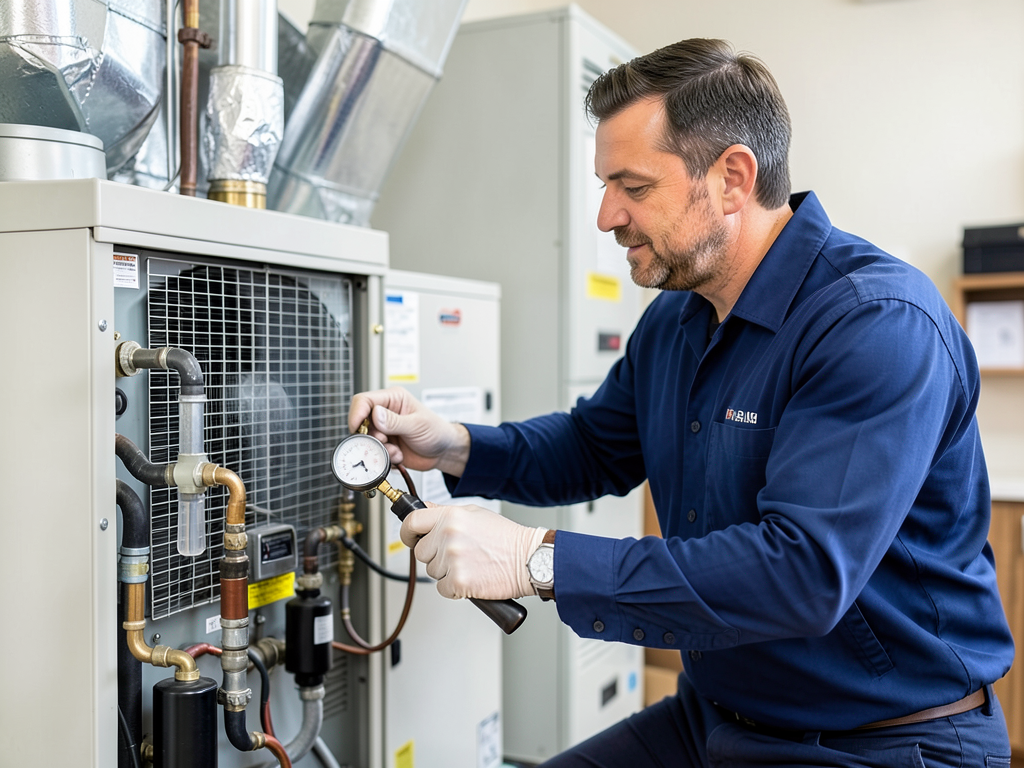
The most common failures during heatwaves include frozen evaporator coils, refrigerant leaks, and capacitor burnout. Each requires different diagnostic tests and repair approaches. A technician will check refrigerant pressures, test electrical components, and inspect the air handler for ice buildup. Most repairs can be completed the same day if parts are available.
Keep your home as cool as possible while waiting. Close blinds to block sunlight, use ceiling fans to circulate air, and stay hydrated. If you have vulnerable family members, consider temporary relocation to a cooled location. The cost of emergency service varies but expect a service call fee plus parts and labor. Many companies offer flat-rate pricing for common repairs.. Read more about Comparing the Top Rated Heating and Cooling Teams in Cleveland Heights.
Prevention is your best defense. Annual maintenance before summer can identify weak components before they fail during extreme heat. A tune-up includes cleaning coils, checking refrigerant levels, and testing electrical connections. This simple step can prevent 80 percent of emergency breakdowns.
Call (216) 530-9077 now for emergency AC repair in Cleveland. Our technicians are standing by to restore your comfort and safety.
Common AC Failures During Cleveland Heatwaves
Understanding what typically fails helps you communicate with the technician and know what to expect. During Cleveland summers, certain components face extreme stress from high humidity and temperature swings.
Refrigerant Leaks are the most frequent cause of complete system failure. The copper lines carrying refrigerant can develop pinhole leaks from corrosion, especially in older systems. When refrigerant levels drop, the system cannot cool air effectively and may freeze up completely. A technician will use electronic leak detectors to find even microscopic leaks in the copper tubing.
Capacitor Failure is another common issue. Capacitors provide the electrical jolt needed to start compressors and fan motors. During heatwaves, capacitors work harder and hotter than normal. When they fail, the outdoor unit stops running entirely. You will hear a clicking sound from the condenser when this happens.
Frozen Evaporator Coils occur when airflow is restricted or refrigerant is low. The ice buildup prevents heat exchange and causes the system to shut down. This is often accompanied by reduced airflow from vents and water leaking from the indoor unit when the ice melts.
Compressor Burnout is the most expensive failure. The compressor is the heart of your AC system, pumping refrigerant through the loop. When it fails, replacement costs can exceed $2,500. Signs include humming sounds, burning smells, or complete silence from the outdoor unit.
Electrical Control Failure affects the thermostat, contactors, or control board. These components can fail from power surges during summer storms common to Cleveland. The system may not turn on at all or may run continuously without cooling.
Each of these failures has specific diagnostic procedures. A qualified technician will use manifold gauges to check refrigerant pressures, multimeters to test electrical components, and temperature probes to verify cooling performance. This systematic approach ensures accurate diagnosis and prevents unnecessary part replacement.
Emergency Steps to Take When Your AC Stops Working
When your air conditioner dies during extreme heat, follow these specific steps to protect your home and family while waiting for repair service.
- Turn Off the System
Switch the thermostat to “off” position immediately. This prevents the compressor from trying to start and potentially causing more damage if there is an electrical fault.
- Check the Circuit Breaker
Locate your electrical panel and check for any tripped breakers. If you find a tripped breaker, reset it once. If it trips again immediately, leave it off and call for service. Do not repeatedly reset a tripping breaker.
- Inspect the Air Filter
Remove the filter from your indoor unit. If it is clogged with dust, replace it with a clean filter. Restricted airflow can cause system shutdown and is the easiest problem to fix yourself.
- Clear the Area Around Outdoor Unit
Remove any debris, leaves, or objects within two feet of the condenser. Ensure the unit has proper clearance for airflow. Do not attempt to open the unit or touch electrical components.
- Check for Ice on Lines
Look at the copper refrigerant lines connecting the indoor and outdoor units. If you see ice buildup, do not try to chip it off. The system needs professional diagnosis to address the underlying cause.
After completing these steps, document what you observed. Note any unusual sounds, smells, or error codes displayed on your thermostat. This information helps the technician diagnose the problem faster when they arrive.
Keep your home as cool as possible while waiting. Close blinds and curtains to block sunlight. Use box fans to create cross-ventilation by opening windows on opposite sides of your home. If outdoor air is cooler than indoor air, this can provide temporary relief.
For homes with vulnerable occupants such as infants, elderly family members, or those with medical conditions, consider temporary relocation to a cooled public space like a library or shopping center. Heat exhaustion can develop quickly in extreme conditions.
What to Expect From Emergency AC Repair Service
When you call for emergency AC repair in Cleveland, understanding the process helps manage expectations and ensures you get the service you need quickly.
Response Time varies by company and time of day. Most reputable HVAC companies offer 24/7 emergency service with technicians dispatched within two to four hours during peak summer demand. Some companies provide real-time tracking so you know when to expect the technician.
Diagnostic Process begins when the technician arrives. They will perform a systematic evaluation including checking thermostat operation, measuring voltage and amperage at electrical components, testing refrigerant pressures with manifold gauges, and inspecting the evaporator coil for ice or dirt buildup. This process typically takes 30 to 60 minutes.
Repair Options depend on the diagnosis. Simple repairs like capacitor replacement or contactor repair can often be completed within one to two hours. More complex issues like refrigerant leak repair or compressor replacement may require additional time and potentially a follow-up visit if special parts need to be ordered.
Pricing Structure for emergency service typically includes a service call fee plus parts and labor. Many companies offer flat-rate pricing for common repairs, which means you know the total cost before work begins. Always ask for a written estimate before approving any repairs.
Warranty Considerations may affect your repair options. If your system is under warranty, using an unauthorized repair service could void coverage. Ask the technician to verify warranty status before proceeding with repairs. Some manufacturers require specific diagnostic procedures to maintain warranty coverage.
Payment Options vary by company. Most accept major credit cards, checks, and sometimes offer financing for larger repairs. Ask about payment plans if you need emergency service but are concerned about immediate costs.
Professional technicians carry common parts on their trucks to complete many repairs on the first visit. However, if your system is older or uses specialized components, they may need to order parts. In these cases, temporary cooling solutions like portable AC units may be available.
Preventing AC Failure During Future Heatwaves
Most AC emergency calls during heatwaves are preventable with proper maintenance and early intervention. Understanding the warning signs helps you address problems before they cause complete system failure.
Annual Maintenance is the single most effective prevention strategy. A professional tune-up includes cleaning condenser and evaporator coils, checking refrigerant levels, testing electrical components, and inspecting the condensate drain. This service typically costs $100 to $200 but can prevent thousands in emergency repair costs.
Warning Signs to watch for include reduced cooling capacity, unusual noises from the outdoor unit, ice buildup on refrigerant lines, and water leaking from the indoor unit. These symptoms indicate developing problems that need attention before complete failure occurs.
Air Filter Maintenance is critical during heavy use periods. Replace one-inch filters every one to three months and check four-inch media filters every six months. Restricted airflow from dirty filters causes system overheating and can lead to compressor failure.
Thermostat Issues can mimic AC failure. If your system seems to run constantly or not cool properly, check your thermostat settings and batteries. Sometimes replacing the thermostat battery or recalibrating the device resolves cooling problems.
Electrical System Health affects AC performance. If you notice dimming lights when the AC starts or frequent breaker trips, your electrical system may need evaluation. Older homes in Cleveland often have electrical panels that cannot handle modern HVAC loads.
Refrigerant Charge should be checked annually. Low refrigerant levels indicate leaks that will worsen over time. A system low on refrigerant works harder, costs more to operate, and is more likely to fail during extreme heat.
Consider upgrading older systems before they fail. Air conditioners typically last 12 to 15 years. If your system is approaching this age, replacement before complete failure often costs less than emergency replacement during a heatwave.
Understanding Cleveland’s Climate Impact on AC Systems
Cleveland’s unique climate creates specific challenges for air conditioning systems that homeowners in other regions do not face. Understanding these factors helps explain why AC failures spike during local heatwaves.
High Humidity Levels from Lake Erie create additional cooling load. Air conditioners must remove both heat and moisture from indoor air. When humidity exceeds 60 percent, systems work 30 to 40 percent harder than in drier climates. This increased workload accelerates component wear.
Rapid Temperature Swings common in Cleveland put stress on system components. When outdoor temperatures swing from 70 degrees to 95 degrees in a single day, metal components expand and contract rapidly. This thermal cycling can cause refrigerant leaks at connection points and stress electrical components.
Combined Sewer Systems in older Cleveland neighborhoods affect basement humidity levels. When groundwater levels rise during heavy rains, basement moisture can seep into return air ducts if not properly sealed. This additional moisture load makes your AC work harder to maintain comfort levels.
Power Grid Vulnerabilities during summer storms can cause voltage fluctuations that damage AC components. Cleveland’s aging electrical infrastructure is susceptible to brownouts and surges during peak demand periods. Installing a whole-house surge protector can prevent damage to your AC’s sensitive electronics.
Soil Composition in Cleveland areas with heavy clay soil can affect outdoor unit stability. Clay soil expands when wet and contracts when dry, potentially causing the concrete pad supporting your condenser to shift. This movement can stress refrigerant lines and electrical connections.
Historic Home Construction in neighborhoods like Ohio City and Tremont often means inadequate insulation and air sealing. These homes require more cooling capacity to maintain comfort, putting additional stress on AC systems during extreme heat events.
Understanding these local factors helps explain why AC systems in Cleveland face unique challenges compared to systems in other regions. Professional installation and maintenance must account for these local conditions to ensure reliable operation.
Cost Factors for Emergency AC Repair in Cleveland
Understanding the potential costs of emergency AC repair helps you budget and make informed decisions when your system fails. Several factors influence the final price you will pay.
| Repair Type | Typical Cost Range | Time to Complete |
|---|---|---|
| Capacitor Replacement | $150 – $350 | 1-2 hours |
| Contact Replacement | $200 – $400 | 1-2 hours |
| Refrigerant Leak Repair | $300 – $1,500 | 2-4 hours |
| Evaporator Coil Replacement | $900 – $2,000 | 3-6 hours |
| Compressor Replacement | $1,500 – $3,500 | 4-8 hours |
| Complete System Replacement | $4,000 – $12,000 | 1-2 days |
Service Call Fees are standard for emergency repairs. Most companies charge $75 to $150 just to diagnose the problem. This fee is often applied toward the repair cost if you proceed with the recommended work.
Parts Availability affects repair costs and timing. Common parts like capacitors and contactors are typically in stock and can be replaced the same day. Specialized components or parts for older systems may need to be ordered, extending repair time and potentially increasing costs due to shipping fees.
Labor Rates vary by company and time of service. Emergency calls during nights, weekends, or holidays typically cost 1.5 to 2 times standard rates. Some companies offer flat-rate pricing that includes both labor and parts, providing cost certainty before work begins.
Warranty Coverage can significantly reduce your costs. If your system is under manufacturer warranty, parts may be covered but labor is often not included. Some companies offer extended warranties that cover both parts and labor for a specific period.
System Age and Efficiency affect repair decisions. For systems over 10 years old, multiple repairs in a single season may indicate it is time for replacement rather than continued repairs. Modern high-efficiency systems can reduce cooling costs by 30 to 50 percent compared to older units.
Permit Requirements for major repairs or replacements add to the cost. Cleveland requires permits for refrigerant work and system replacements. The permit fee is typically $50 to $150 and ensures the work meets local building codes.
Always get a written estimate before authorizing repairs. This protects you from unexpected costs and ensures you understand exactly what work will be performed and what it will cost.
Frequently Asked Questions
How long can I wait to repair my AC during a heatwave?
Wait no longer than 24 hours if possible. Extended exposure to high temperatures can cause heat-related illness, especially for vulnerable individuals. Temporary cooling solutions like fans and portable AC units can provide relief while waiting for repair service.
Can I recharge my AC refrigerant myself?
No. Refrigerant work requires EPA certification and specialized equipment. Improper charging can damage your system and is illegal without proper certification. Only licensed HVAC technicians should handle refrigerant.
What if my AC is under warranty?
Check your warranty documentation for covered components and labor. Some manufacturers require specific diagnostic procedures to maintain warranty coverage. Using an unauthorized repair service could void your warranty, so verify the technician’s certification status.
How do I know if I need a new AC or just a repair?
Consider system age, repair history, and efficiency. Systems over 12 years old with multiple repairs may be candidates for replacement. If repair costs exceed 30 percent of replacement cost, replacement often makes more financial sense long-term.
Can emergency AC repair be done in the rain?
Most outdoor repairs can be completed in light rain, but severe weather may delay service. Technicians will assess safety conditions and may need to reschedule if lightning or heavy rain creates hazardous working conditions.
What should I do if my AC smells like something is burning?
Turn off the system immediately at the thermostat and circuit breaker. Burning smells indicate electrical problems that could cause fire. Do not attempt to restart the system. Call for emergency service right away.
How can I stay cool while waiting for AC repair?
Close blinds to block sunlight, use ceiling fans to circulate air, stay hydrated, and consider temporary relocation if you have vulnerable family members. Portable fans and ice can provide some relief in extreme situations.
Conclusion
When your AC dies during a Cleveland heatwave, quick action and informed decisions can make the difference between a minor inconvenience and a major health risk. Understanding common failure patterns, knowing what steps to take, and having realistic expectations about repair costs and timing helps you navigate this stressful situation effectively.
Remember that most AC emergencies are preventable with proper maintenance. Annual tune-ups, timely filter changes, and attention to warning signs can prevent 80 percent of emergency breakdowns. When emergencies do occur, choosing a qualified HVAC company with 24/7 emergency service ensures you get back to comfort quickly and safely.
Don’t wait until your system fails. Call (216) 530-9077 today to schedule your annual maintenance or emergency repair. Our experienced technicians are ready to restore your comfort and protect your family from extreme heat.
Stay cool and stay safe this summer. Your comfort is our priority. For more information, visit CDC heat illness prevention guidelines.
You may also find this helpful. Reducing Your Energy Bills with Attic Fan Installation in North Ridgeville.
{
“@context”: “https://schema.org”,
“@type”: “BlogPosting”,
“headline”: “What to Do When Your AC Dies During a Cleveland Heatwave”,
“description”: “Your AC just died in the middle of a Cleveland heatwave. Here’s the exact steps to take to get cool fast and what to expect from emergency AC repair in Cleveland.”,
“wordCount”: 2739,
“datePublished”: “2026-02-11T14:37:00.000Z”,
“dateModified”: “2026-02-11T14:37:00.000Z”,
“inLanguage”: “en-US”,
“mainEntityOfPage”: {
“@type”: “WebPage”,
“@id”: “https://acehvaccleveland.com”
},
“publisher”: {
“@type”: “LocalBusiness”,
“name”: “Ace HVAC Cleveland”,
“url”: “https://acehvaccleveland.com”
},
“author”: {
“@type”: “Organization”,
“name”: “Ace HVAC Cleveland”,
“url”: “https://acehvaccleveland.com”
},
“image”: {
“@type”: “ImageObject”,
“url”: “https://acehvaccleveland.com/wp-content/uploads/2026/03/what-to-do-when-your-ac-dies-during-a-cleveland-he-1.png”
}
}
{
“@context”: “https://schema.org”,
“@type”: “HVACBusiness”,
“name”: “Ace HVAC Cleveland”,
“url”: “https://acehvaccleveland.com”,
“address”: {
“@type”: “PostalAddress”,
“addressLocality”: “Cleveland”
},
“areaServed”: {
“@type”: “City”,
“name”: “Cleveland”
}
}
{
“@context”: “https://schema.org”,
“@type”: “FAQPage”,
“mainEntity”: [
{
“@type”: “Question”,
“name”: “How long can I wait to repair my AC during a heatwave?”,
“acceptedAnswer”: {
“@type”: “Answer”,
“text”: “Wait no longer than 24 hours if possible. Extended exposure to high temperatures can cause heat-related illness, especially for vulnerable individuals. Temporary cooling solutions like fans and portable AC units can provide relief while waiting for repair service.”
}
},
{
“@type”: “Question”,
“name”: “Can I recharge my AC refrigerant myself?”,
“acceptedAnswer”: {
“@type”: “Answer”,
“text”: “No. Refrigerant work requires EPA certification and specialized equipment. Improper charging can damage your system and is illegal without proper certification. Only licensed HVAC technicians should handle refrigerant.”
}
},
{
“@type”: “Question”,
“name”: “What if my AC is under warranty?”,
“acceptedAnswer”: {
“@type”: “Answer”,
“text”: “Check your warranty documentation for covered components and labor. Some manufacturers require specific diagnostic procedures to maintain warranty coverage. Using an unauthorized repair service could void your warranty, so verify the technician’s certification status.”
}
},
{
“@type”: “Question”,
“name”: “How do I know if I need a new AC or just a repair?”,
“acceptedAnswer”: {
“@type”: “Answer”,
“text”: “Consider system age, repair history, and efficiency. Systems over 12 years old with multiple repairs may be candidates for replacement. If repair costs exceed 30 percent of replacement cost, replacement often makes more financial sense long-term.”
}
},
{
“@type”: “Question”,
“name”: “Can emergency AC repair be done in the rain?”,
“acceptedAnswer”: {
“@type”: “Answer”,
“text”: “Most outdoor repairs can be completed in light rain, but severe weather may delay service. Technicians will assess safety conditions and may need to reschedule if lightning or heavy rain creates hazardous working conditions.”
}
},
{
“@type”: “Question”,
“name”: “How can I stay cool while waiting for AC repair?”,
“acceptedAnswer”: {
“@type”: “Answer”,
“text”: “Close blinds to block sunlight, use ceiling fans to circulate air, stay hydrated, and consider temporary relocation if you have vulnerable family members. Portable fans and ice can provide some relief in extreme situations.”
}
}
]
}
{
“@context”: “https://schema.org”,
“@type”: “HowTo”,
“name”: “Emergency AC Shutdown and Safety”,
“step”: [
{
“@type”: “HowToStep”,
“position”: 1,
“name”: “Turn Off the System”,
“text”: “Switch the thermostat to \”off\” position immediately. This prevents the compressor from trying to start and potentially causing more damage if there is an electrical fault.”
},
{
“@type”: “HowToStep”,
“position”: 2,
“name”: “Check the Circuit Breaker”,
“text”: “Locate your electrical panel and check for any tripped breakers. If you find a tripped breaker, reset it once. If it trips again immediately, leave it off and call for service. Do not repeatedly reset a tripping breaker.”
},
{
“@type”: “HowToStep”,
“position”: 3,
“name”: “Inspect the Air Filter”,
“text”: “Remove the filter from your indoor unit. If it is clogged with dust, replace it with a clean filter. Restricted airflow can cause system shutdown and is the easiest problem to fix yourself.”
},
{
“@type”: “HowToStep”,
“position”: 4,
“name”: “Clear the Area Around Outdoor Unit”,
“text”: “Remove any debris, leaves, or objects within two feet of the condenser. Ensure the unit has proper clearance for airflow. Do not attempt to open the unit or touch electrical components.”
},
{
“@type”: “HowToStep”,
“position”: 5,
“name”: “Check for Ice on Lines”,
“text”: “Look at the copper refrigerant lines connecting the indoor and outdoor units. If you see ice buildup, do not try to chip it off. The system needs professional diagnosis to address the underlying cause.”
}
],
“image”: “https://acehvaccleveland.com/wp-content/uploads/2026/03/what-to-do-when-your-ac-dies-during-a-cleveland-he-1.png”
}
{
“@context”: “https://schema.org”,
“@type”: “BreadcrumbList”,
“itemListElement”: [
{
“@type”: “ListItem”,
“position”: 1,
“name”: “Home”,
“item”: “https://acehvaccleveland.com”
},
{
“@type”: “ListItem”,
“position”: 2,
“name”: “Blog”,
“item”: “https://acehvaccleveland.com/blog”
},
{
“@type”: “ListItem”,
“position”: 3,
“name”: “What to Do When Your AC Dies During a Cleveland Heatwave”
}
]
}
{
“@context”: “https://schema.org”,
“@type”: “Service”,
“serviceType”: “HVAC”,
“provider”: {
“@type”: “LocalBusiness”,
“name”: “Ace HVAC Cleveland”,
“url”: “https://acehvaccleveland.com”
},
“areaServed”: {
“@type”: “City”,
“name”: “Cleveland”
},
“description”: “Your AC just died in the middle of a Cleveland heatwave. Here’s the exact steps to take to get cool fast and what to expect from emergency AC repair in Cleveland.”
}